
Fictional characters occupy a complicated corner of intellectual property law. Copyright and trademark can both apply to a character, but they protect different things, and trademark registration has requirements that go beyond simply having created the character.
This post focuses specifically on federal trademark registration and when a character's name, image, or other identifying elements can function as a mark.
The Core Problem: Characters Are Not Automatically Source Identifiers
The USPTO will refuse registration of a mark that merely identifies a character in a creative work. The reason is the same logic that applies to author names: identifying something is not the same as functioning as a source identifier in commerce.
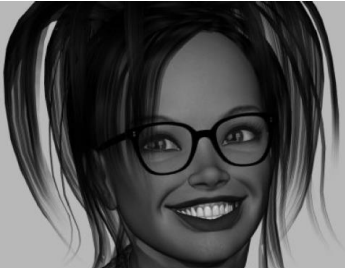
In In re Stallard, the applicant sought to register an image of a female video game character's head for downloadable video game software. The Board refused, finding that consumers encountering the image would perceive it as depicting a character in the game, not as a brand identifier for the company that made it. The sole specimen was a product page where the image appeared mid-page, embedded in descriptive content about the character, in a context that told consumers who she was rather than who made the game. The mark identified the character. It did not identify the source of the goods.
The same logic has been applied to names. In In re Scholastic Inc., the Board refused registration of THE LITTLES as a trademark for a series of children's books. Despite appearing in every book in the series, the phrase identified the main characters in the books rather than functioning as a mark. Similarly, in In re Caserta, the name FURR-BALL FURCANIA, which appeared on the cover and every page of a children's book, was refused because it identified the principal character, not the source of the work.
This rule applies regardless of whether the creative work is a single item or one of many in the identification of goods. And it can result in a partial refusal: if a mark identifies a character in connection with books but also appears on pencils or coloring books, the refusal applies to the books while the other goods may still be registrable.
What Makes a Character Mark Registrable
The key is showing that the name, image, or other character element is perceived by consumers as a brand identifier.
Evidence that can support this showing includes use of the character's name or image on the spine of a book or on displays associated with the goods, in a way that signals source rather than story content. Merchandising and licensing activity can also be relevant: if a character's name appears on a line of products in a way that functions commercially as a brand, that use pattern can support the argument that the mark has moved beyond merely identifying the character.
The analysis is fact-specific and tied to how the mark is actually used in the marketplace. An image that functions as mere decoration inside a book is treated very differently from the same image displayed on packaging in a way that communicates who made the product.
Series vs. Single Works
While the USPTO's series requirement applies most explicitly to author and performer names, the single-work problem is also directly relevant to characters. A character that exists only in a single creative work faces a harder path to registration than one associated with an ongoing franchise, because the commercial brand-identifier function is less likely to be established by a single work alone. An ongoing series of books, films, games, or other works gives the character's name or image more opportunity to develop a meaning in commerce that goes beyond identifying a fictional entity.
The Intent-to-Use Timing Question
As with author names, the USPTO generally defers this refusal analysis until a specimen is submitted, because the question of whether a mark identifies a character is usually tied to how the mark is actually used. If the record makes clear even before use that the mark will identify only a character, the examiner may issue a refusal earlier, but in most intent-to-use applications the issue arises at the allegation-of-use stage.
Copyright vs. Trademark: Different Tools for Different Jobs
Copyright and trademark protect different aspects of a character and are not mutually exclusive. Copyright protects the character's creative expression as it exists in the work. Trademark protects the character's name or image as a source identifier in commerce. A character can be protected by copyright without being registrable as a trademark, and building a trademark registration around a character typically requires commercial activity that goes beyond publication of the underlying work.
Character-based brands are valuable assets, and the question of how to protect them warrants careful attention early in the process. If you're developing a character across multiple works or products and want to understand your trademark options, a free consultation is a good place to start. Schedule one here.
.svg)